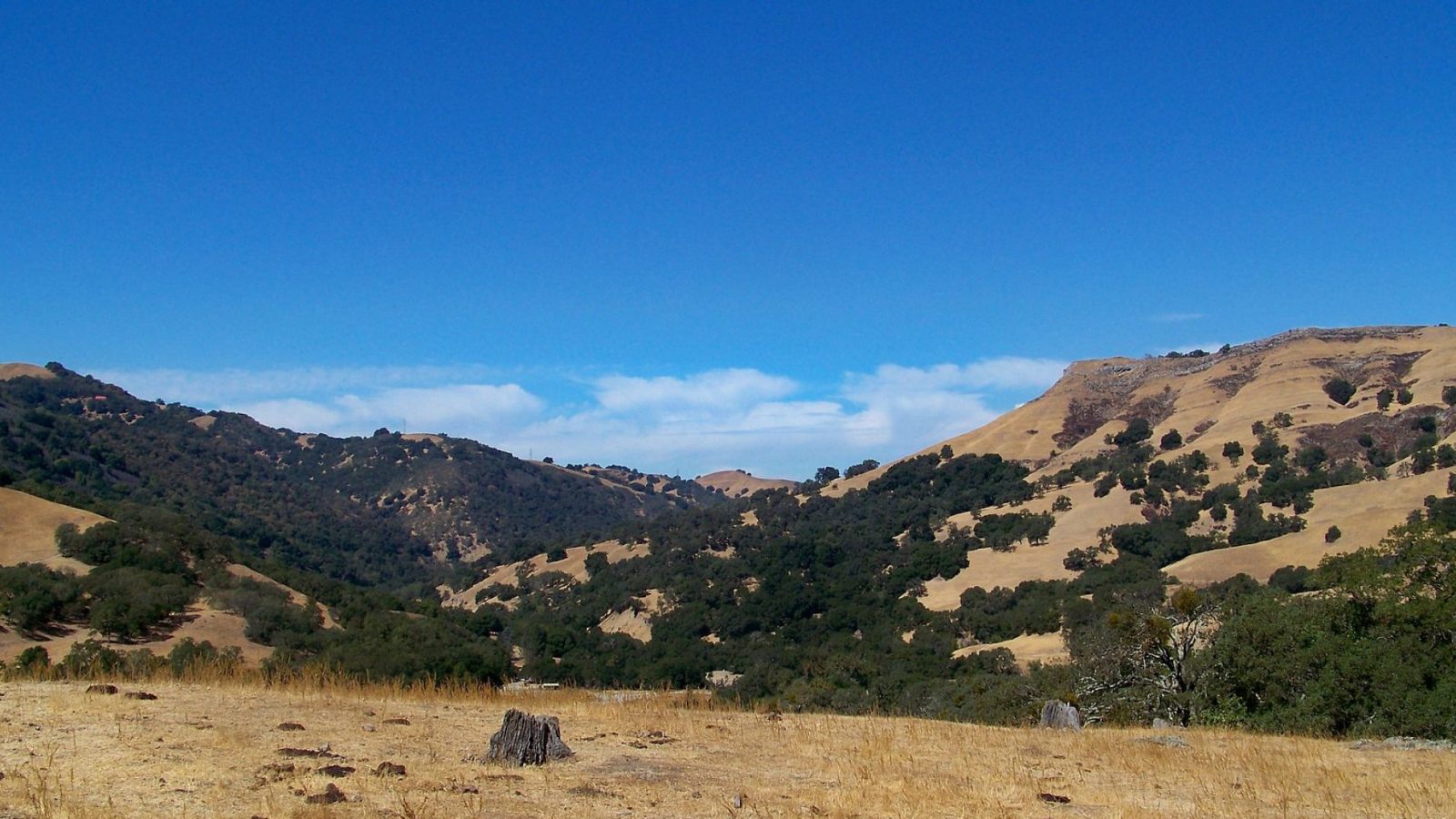
Greenbelt Land Trust was founded in 2014 by a small group of local ranchers, a retired wildlife biologist, and a land-use attorney who had watched three consecutive family ranches in this valley get subdivided within a decade. The founding conviction was narrow and specific: this region still has enough intact habitat left to build a real, connected corridor system — but only if protection happens faster than fragmentation does, and only if the organization doing the protecting is honest about cost, honest about progress, and accountable to the donors who make it possible.
We are a regional land trust, not a national one — every preserve we hold, every easement we’ve negotiated, and every dollar we’ve spent is within about forty miles of our office. That’s a deliberate choice: a small service area lets us know the land, the landowners, and the wildlife-movement patterns specifically enough to make a strategic corridor plan rather than an opportunistic one. Our Ridge-to-River Wildlife Corridor program, our Working Farmland Protection easements, our Coastal Access & Habitat work, and our Headwaters & Riparian Restoration projects are four expressions of the same underlying strategy: individual protected parcels matter more, for less additional cost, when they connect to their neighbors.
We are a 501(c)(3) nonprofit, and we take the financial-transparency obligation that status implies seriously — not as a compliance checkbox, but because a donor’s trust is the entire fuel supply for an organization that owns no product and sells nothing. The breakdown below is the same one in our annual audited financials, not a marketing simplification of them.