The Strategy
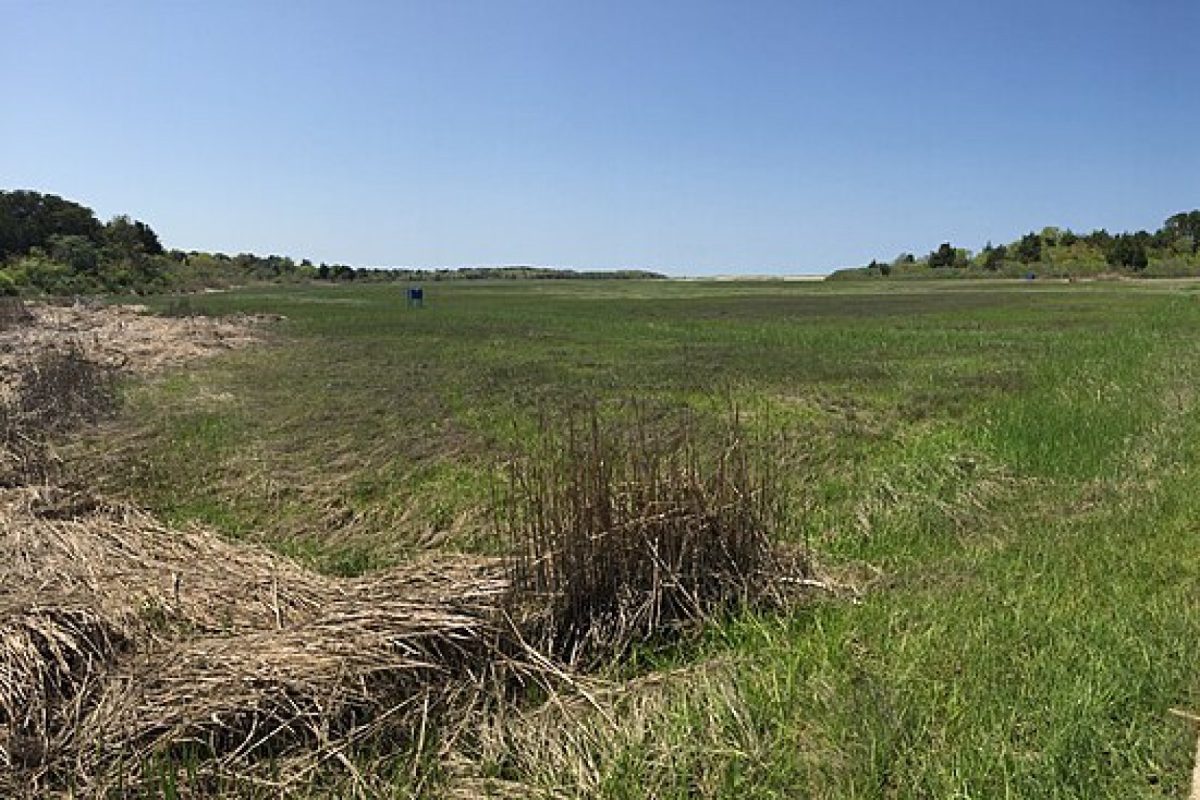
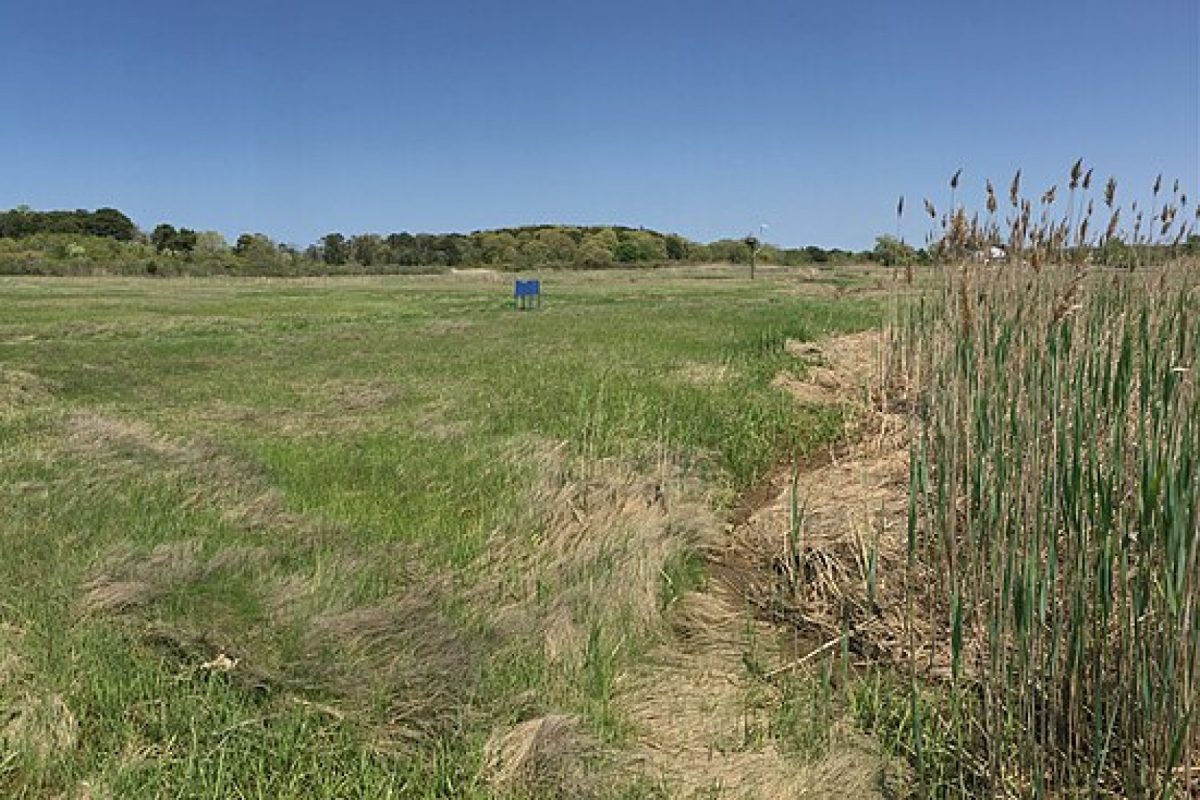
The Coastal Access & Habitat Program protects tidal marsh, dunes, and bluff habitat along our stretch of coastline while deliberately keeping public access central to the mission — coastal land trusts that protect habitat but wall off access lose the public support that makes future protection possible. Salt Marsh Point, protected in 2017 after we helped defeat a proposed marina expansion, includes a public boardwalk engineered specifically to route visitors around the sensitive marsh interior where the endangered salt marsh harvest mouse concentrates.
Our current priority is Sentinel Bluff, the one remaining unprotected gap in what would otherwise be an unbroken 4.6-mile publicly accessible coastline stretch between Salt Marsh Point and an adjacent state preserve. The bluff is actively eroding, which adds real urgency and real technical complexity — any public trail alignment there needs geotechnical planning around a documented 8-14 inch annual erosion rate, not just a straightforward purchase.
We started this program in 2014 during the Salt Marsh Point negotiation and have since protected 95 acres outright, with 58 more under a signed right-of-first-refusal through 2026. Every foot of coastline this program protects also functions as shorebird staging and, in Salt Marsh Point’s case, confirmed habitat for a federally listed endangered species — proof that public access and sensitive-species protection are not actually in tension when the trail is engineered correctly.